Turmeric Gets All the Credit… But These 7 Herbs Deserve Their Flowers
Airicka GreenShare
If you’ve ever searched “how to get rid of dark spots naturally,” chances are turmeric popped up before you even finished typing.
Don’t get me wrong—I love turmeric. It’s earned its reputation.
But here’s what nobody is talking about…
There are herbs that have been supporting healthy-looking skin for centuries that rarely make it into skincare conversations. Some help support a brighter-looking complexion. Others help soothe skin that looks irritated after breakouts. Some help support the skin barrier so your complexion can recover over time.
If you’re dealing with acne marks, stubborn discoloration, uneven skin tone, or skin that seems to stay inflamed long after a breakout is gone, these herbs deserve a spot on your radar.
Let’s get into them.
1. Oregon Grape Root
The underrated skin clarifier.
If turmeric is the celebrity, Oregon grape root is the quiet herbalist in the back doing all the work.
Oregon grape root contains berberine, a naturally occurring plant compound that’s been studied for its antimicrobial and anti-inflammatory properties. In topical skincare, it’s often used to help calm skin that appears irritated and support a clearer-looking complexion.
Why people love it:
- Helps support blemish-prone skin
- Helps calm the appearance of redness
- Supports a more even-looking complexion
- Great addition to products designed for oily or acne-prone skin
Best for:
✔ Acne-prone skin
✔ Post-breakout marks
✔ Uneven skin tone
2. Uva Ursi
Nature’s brightening herb.
This herb doesn’t get nearly enough attention.
Uva Ursi naturally contains arbutin, a compound commonly used in skincare to help improve the appearance of uneven pigmentation.
Instead of aggressively stripping the skin, it’s known for helping support a brighter, more balanced complexion over time.
Why it’s worth knowing:
- Helps improve the appearance of dark spots
- Supports brighter-looking skin
- Helps even skin tone
- Often used in botanical brightening formulas
Best for:
✔ Hyperpigmentation
✔ Acne marks
✔ Sun spots
✔ Uneven complexion
3. Gotu Kola
The skin recovery queen.
Breakouts heal.
But what about what’s left behind?
That’s where Gotu Kola shines.
This legendary herb has been used for generations to support healthy skin and is especially loved in Korean skincare. It’s rich in compounds that help support the skin’s natural repair process and strengthen the skin barrier.
When your barrier is healthier, your skin is often better able to recover after inflammation.
Benefits include:
- Supports the skin barrier
- Helps soothe skin after blemishes
- Supports smoother-looking skin
- Helps improve the appearance of acne scars over time
Best for:
✔ Acne scars
✔ Sensitive skin
✔ Compromised skin barrier
✔ Long-term skin recovery
4. Licorice Root
One of skincare’s best-kept secrets.
Most people think of licorice as candy.
Skincare lovers know better.
Licorice root contains compounds like glabridin, which has been widely studied for helping improve the appearance of uneven skin tone.
It’s also incredibly soothing, making it one of my favorite herbs for skin that feels constantly irritated.
Why it deserves attention:
- Helps brighten dull-looking skin
- Supports a more even complexion
- Helps calm the appearance of redness
- Pairs beautifully with niacinamide and vitamin C
Best for:
✔ Hyperpigmentation
✔ Acne marks
✔ Sensitive skin
✔ Redness
5. Rosehip
More than just a pretty oil.
Rosehip is naturally packed with vitamins, essential fatty acids, and antioxidants that help nourish the skin.
Rosehip oil has become popular for helping improve the appearance of scars and uneven skin texture, while rosehips themselves are naturally rich in vitamin C.
Benefits include:
- Supports smoother-looking skin
- Helps improve skin texture
- Nourishes dry skin
- Helps skin appear brighter over time
Best for:
✔ Acne scars
✔ Dry skin
✔ Uneven texture
✔ Dull complexion
6. Amla
Vitamin C from nature.
Amla (also called Indian Gooseberry) is one of the richest natural sources of vitamin C.
Healthy vitamin C levels are important because they support collagen production and help protect skin from environmental stressors.
In skincare, Amla is loved for helping skin appear brighter, firmer, and more radiant.
Why I love it:
- Supports healthy-looking collagen
- Helps brighten dull skin
- Rich in antioxidants
- Helps skin look healthier over time
Best for:
✔ Dark spots
✔ Mature skin
✔ Acne marks
✔ Dull complexion
7. Calendula
The inflammation calmer.
When skin stays irritated for weeks or months, it often becomes harder for discoloration to fade.
That’s why calming the skin matters.
Calendula has been used traditionally to help soothe irritated skin and support the skin’s natural healing process. It’s especially loved for dry, sensitive, or compromised skin.
Benefits include:
- Helps soothe skin after breakouts
- Supports the skin barrier
- Helps reduce the appearance of irritation
- Encourages healthier-looking skin recovery
Best for:
✔ Inflamed skin
✔ Sensitive skin
✔ Post-breakout care
✔ Long-lasting discoloration caused by irritation
Why Dark Spots Can Take So Long to Fade ?
Here’s something most skincare ads won’t tell you…
A dark spot isn’t just sitting on top of your skin waiting to disappear.
Often, it’s the result of post-inflammatory hyperpigmentation (PIH)—extra pigment produced after your skin experiences inflammation from acne, ingrown hairs, eczema, shaving, or irritation.
The more inflammation your skin experiences, the longer those marks may stick around.
That’s why the goal isn’t just to “fade dark spots.”
It’s also important to:
- Calm inflammation.
- Support the skin barrier.
- Keep skin hydrated.
- Protect your skin from daily UV exposure with sunscreen.
- Stay consistent—healthy-looking skin takes time.
The Bottom Line
Turmeric deserves its place in skincare—but it shouldn’t be the only herb getting attention.
Oregon grape root helps support clearer-looking skin.
Uva Ursi supports a brighter, more even-looking complexion.
Gotu Kola helps the skin recover after inflammation.
Licorice Root helps improve the appearance of uneven pigmentation.
Rosehip nourishes while supporting smoother-looking skin.
Amla delivers antioxidant support and naturally occurring vitamin C.
Calendula helps calm irritated skin so it can recover more comfortably.
The real magic isn’t relying on one “miracle ingredient.” It’s combining herbs that work together to support healthier-looking skin from multiple angles.
Healthy skin is a journey—not an overnight transformation. Be patient with your skin, stay consistent with your routine, and give these underrated botanicals the recognition they deserve.
Ready to Put These Herbs to Work?
Reading about herbs is one thing.
Actually using them consistently in a well-formulated skincare routine is where the real difference happens.
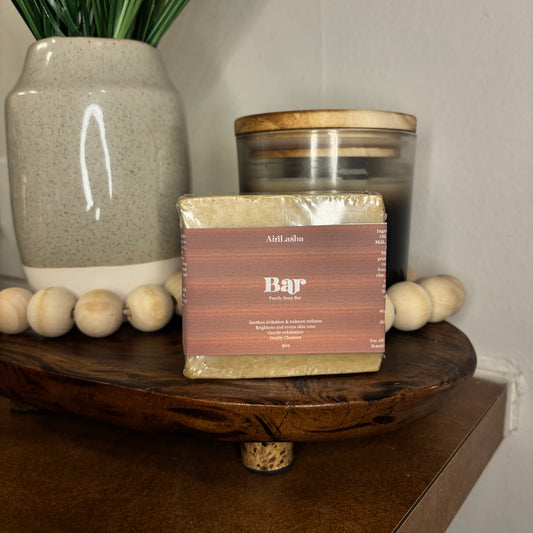
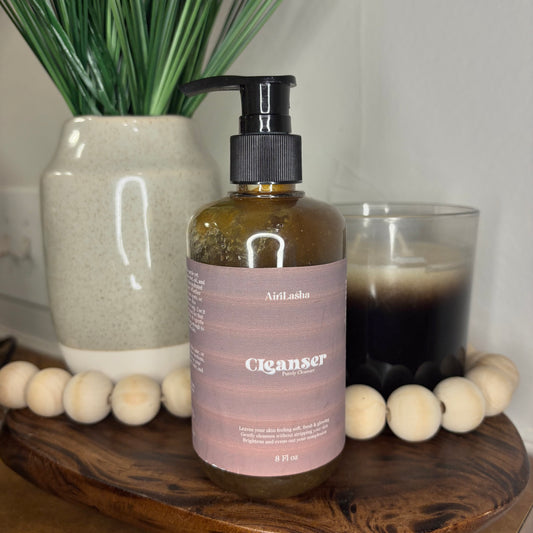
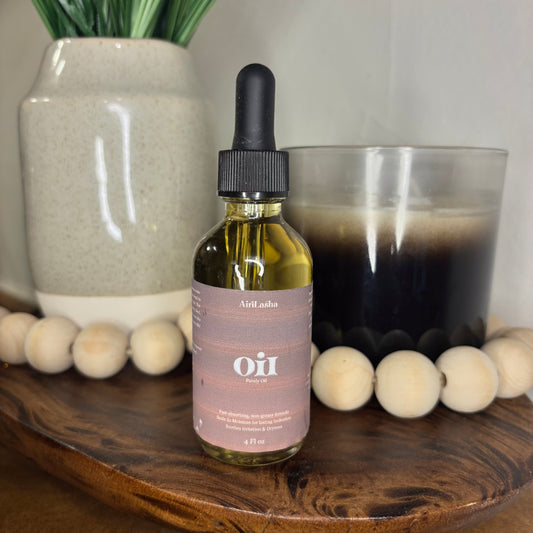
That’s exactly why I created the Sacred Collection. (Click here to shop the collection)
Instead of relying on just one “hero ingredient,” the Sacred Collection brings together all eight of these powerhouse botanicals in thoughtfully crafted formulas:
- 🌿 Turmeric
- 🌿 Oregon Grape Root
- 🌿 Uva Ursi
- 🌿 Gotu Kola
- 🌿 Licorice Root
- 🌿 Rosehip
- 🌿 Amla
- 🌿 Calendula
These herbs work alongside skin-loving ingredients to help support a brighter-looking complexion, soothe the appearance of post-breakout irritation, improve the look of uneven skin tone, and nourish your skin barrier over time.
Because healthy-looking skin isn’t about chasing the next viral ingredient—it’s about consistency, patience, and choosing ingredients that complement one another.
Whether you’re working through acne marks, long-standing hyperpigmentation, or discoloration left behind from inflammation, your skin deserves a routine designed to support it every step of the way.
The Sacred Collection was created with that goal in mind.
Your skin tells a story. Let’s help it tell a new one—one day, one routine, and one intentional ingredient at a time.